
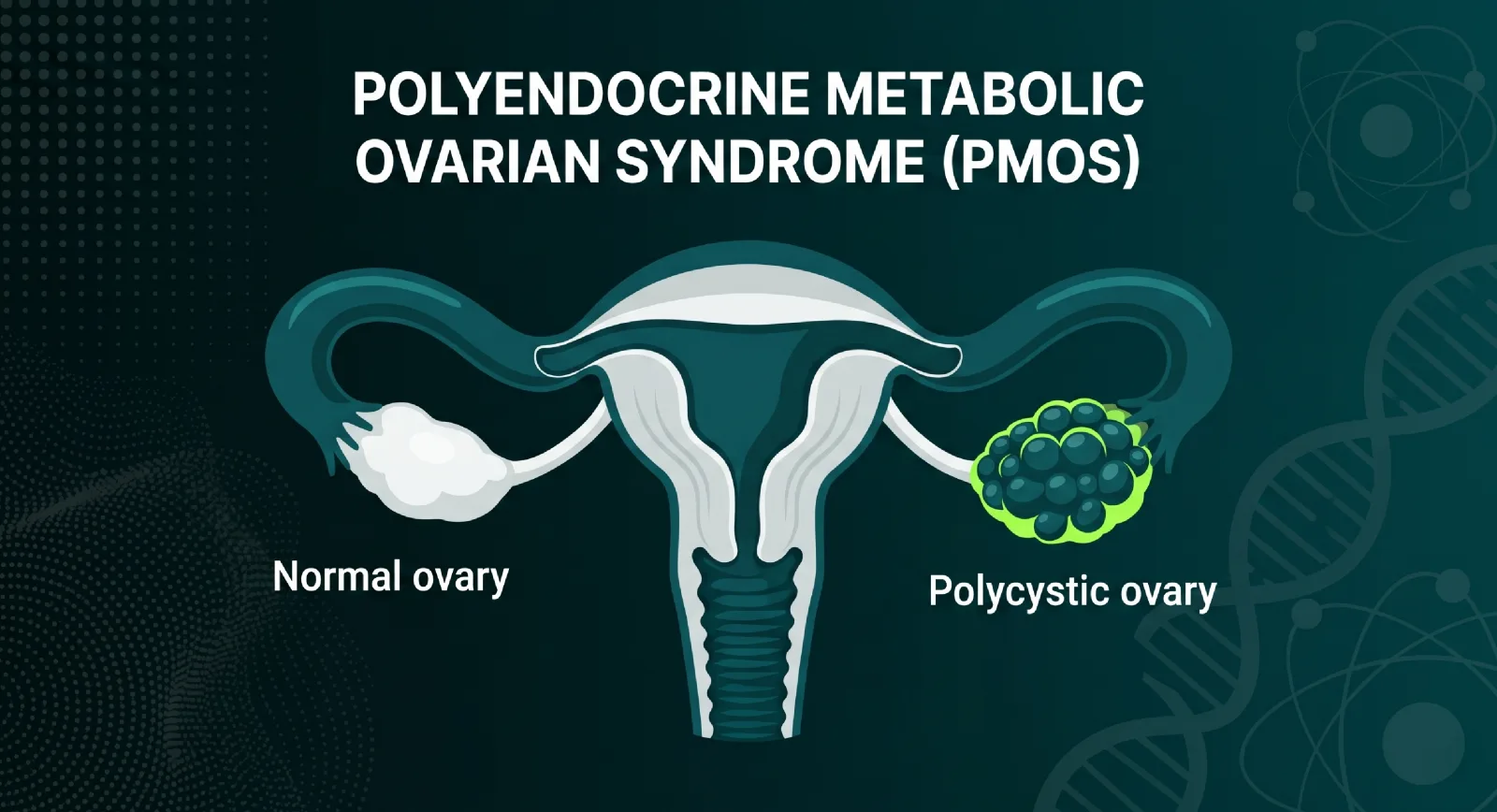
PCOS & Hormonal Imbalances
Polycystic Ovary Syndrome (PCOS) is a complex hormonal and metabolic condition that affects women during their reproductive years. It can influence menstrual cycles, ovulation, insulin sensitivity, skin health, weight regulation and reproductive health.
PCOS presents differently in every woman. Factors such as hormonal imbalances, insulin resistance, genetics and lifestyle can contribute to its development and symptoms.
Our Approach
Our approach focuses on understanding the interconnected factors influencing hormonal balance, reproductive health and metabolic function.
Insulin Sensitivity
Understand how insulin resistance and blood sugar regulation may influence PCOS.
Hormonal Health
Consider androgen levels, reproductive hormones and relevant hormonal patterns.
Nutritional Patterns
Evaluate food quality, nutritional adequacy and eating habits that support metabolic health.
Gut Health
Explore digestive health and its relationship with overall metabolic well-being.
Lifestyle Factors
Understand the influence of sleep, stress and physical activity on hormonal and metabolic health.
Our goal is to develop an individualized approach based on your symptoms, health history and nutritional needs.
Why It Matters
PCOS can affect multiple aspects of a woman's health beyond menstrual irregularities.
Hormonal and metabolic changes associated with PCOS may contribute to:
- Irregular menstrual cycles and ovulation challenges.
- Acne, excess facial or body hair and hair thinning.
- Insulin resistance and increased risk of Type 2 diabetes.
- Weight management difficulties.
- Challenges with fertility and reproductive health.
Understanding these interconnected concerns helps identify areas that may need attention and supports better long-term health management.
How MHR Supports You
Hormonal Health Support
Understand hormonal patterns and relevant factors influencing menstrual cycles, androgen levels and overall hormonal health.
Insulin & Metabolic Health
Address insulin sensitivity, blood sugar regulation and metabolic factors commonly associated with PCOS.
Personalized Nutrition Strategies
Develop practical nutrition approaches that support nutritional adequacy, metabolic health and individual hormonal needs.
Lifestyle & Well-being Support
Build sustainable routines around physical activity, sleep and stress management to support overall hormonal and metabolic well-being.
How to Get Started
Health Assessment
Share your health history, menstrual patterns, symptoms, lifestyle details and available blood reports.
Personalized Consultation
Discuss your assessment with Sindhu to understand the factors influencing your hormonal and metabolic health.
Begin Your RESET Journey
Receive personalized nutrition and lifestyle guidance with ongoing monitoring, accountability and support based on your chosen program.
Got Questions?
Frequently Asked Questions
PCOS is a complex condition influenced by multiple factors, including genetics, hormonal changes and insulin resistance. The exact cause is not fully understood, and its presentation varies between individuals.
Yes. Insulin resistance and other metabolic factors may influence weight regulation in some women with PCOS. However, not everyone with PCOS experiences weight gain or has excess body weight.
Yes. Regular menstrual cycles do not always rule out PCOS. Diagnosis requires appropriate clinical assessment and consideration of symptoms, hormonal findings and other relevant investigations.
PCOS can affect ovulation and may make conception more challenging for some women. However, many women with PCOS conceive naturally or with appropriate medical support.
Yes. Personalized nutrition, physical activity, adequate sleep and stress management can support metabolic health and help manage certain PCOS-related symptoms. These approaches complement appropriate medical care.